
Picking the right web hosting provider is one of the most crucial steps when creating a website. It has a direct impact on your website’s speed, security, uptime, and even how well you rank on Google.
Many beginners make the mistake of focusing only on price, which often leads to slow loading times, frequent downtime, and weak customer support. The reality is simple: a reliable hosting provider is not just a place to store your website—it’s the backbone of your entire online presence.
In this guide, you’ll learn how to select the right hosting provider in a clear, practical, and beginner-friendly way.
What is Web Hosting?
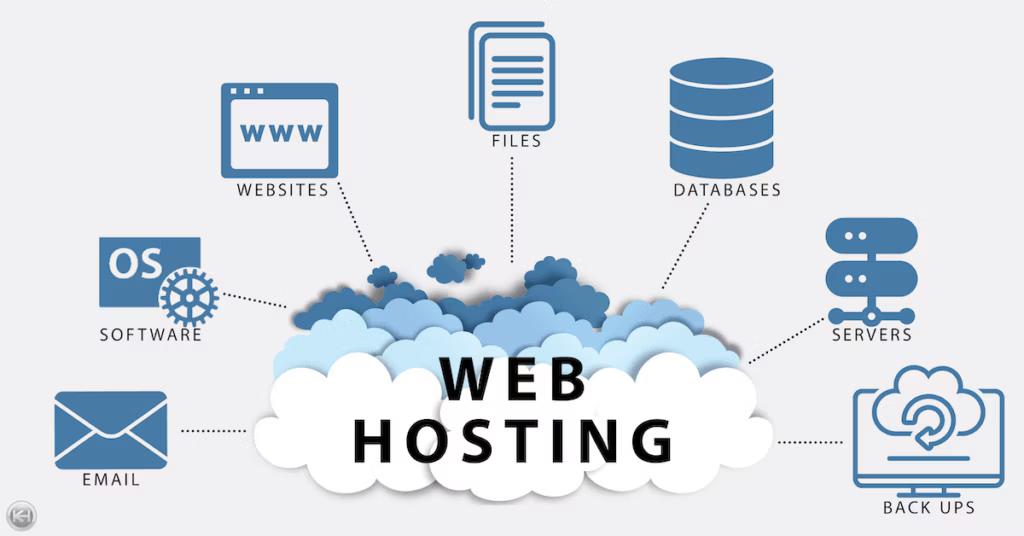
Web hosting is a service that stores your website’s files and makes them available on the internet.
Every website you visit is hosted on a powerful machine known as a server. When someone enters your domain name, the server delivers your website’s data to their browser.
To simplify:
- Your domain is your address
- Your hosting is your house
- Your server is the land your house is built on
Without hosting, your website simply cannot go live.
How Web Hosting Works
Having a basic understanding of how hosting works can help you make smarter choices.
Here’s how the process works:
- You upload your website files to a hosting server
- The server securely stores those files
- A user enters your domain name
- DNS links the domain to your hosting server
- The website appears in the user’s browser
Behind the scenes, your hosting provider handles:
- Server performance
- Storage and bandwidth
- Security measures
- Uptime and connectivity
The better the hosting provider, the smoother everything runs.
Why Choosing the Right Hosting Provider Matters
Your hosting service plays a major role in your website’s success.
🚀 1. Website Speed
A slow-loading website drives visitors away. Even a 1-second delay can significantly reduce conversions.
🔐 2. Security Protection
A reliable hosting provider safeguards your site against:
- Malware
- Data breaches
- Unauthorized access
📈 3. SEO Performance
Search engines favor websites that are fast, stable, and secure. Poor hosting can negatively affect your rankings.
🌍 4. Business Reliability
If your website goes offline, customers can’t reach you—leading to lost trust and missed opportunities.
Types of Web Hosting (Explained Simply)
Different types of websites require different hosting solutions. Here are the main ones:
🟢 Shared Hosting
Multiple websites use the same server.
Best for:
- Beginners
- Small blogs
- Low-traffic websites
Pros:
- Budget-friendly
- Easy to use
Cons:
- Limited performance
- Shared resources
🟡 VPS Hosting (Virtual Private Server)
A dedicated portion of a server is allocated to you.
Best for:
- Growing websites
- E-commerce stores
- Medium-traffic sites
Pros:
- Improved speed and control
- Greater stability
🔵 Cloud Hosting
Your website runs across multiple connected servers.
Best for:
- Rapidly growing businesses
- High-traffic websites
Pros:
- Highly scalable
- Excellent uptime
🔴 Dedicated Server Hosting
You get an entire physical server for your website.
Best for:
- Large organizations
- High-performance applications
Pros:
- Maximum performance
- Full control
How to Choose the Right Hosting Provider
Let’s get into the practical steps for selecting the best hosting provider.
1. Understand Your Website Needs
Start by asking yourself:
- Is this a personal or business website?
- How much traffic do I expect?
- Will I use WordPress or custom software?
Example:
- Beginners → Shared hosting
- Growing business → VPS hosting
- Large business → Cloud or dedicated hosting
2. Check Speed and Performance
Speed is essential for both user experience and SEO.
Look for:
- SSD storage
- CDN integration
- Optimized servers
- Fast loading times
A high-performance hosting provider improves both rankings and user satisfaction.
3. Look for Strong Uptime Guarantee
Uptime refers to how consistently your website stays online.
Choose providers offering:
- At least 99.9% uptime
Even minimal downtime can harm your credibility and revenue.
4. Security Features Are Non-Negotiable
A secure hosting provider should offer:
- Free SSL certificate
- Firewalls
- Malware scanning
- Daily backups
Security should never be overlooked.
5. Compare Pricing (But Don’t Focus Only on Cheap Options)
Many people search for the cheapest hosting, but low cost doesn’t always mean good value.
Instead, consider:
- Renewal pricing
- Included features
- Quality of support
Paying slightly more often results in better performance and reliability.
6. Check Customer Support Quality
Reliable support can save you time and stress.
Look for:
- 24/7 live chat
- Skilled technical staff
- Quick response times
7. Scalability (Very Important for Growth)
Your hosting should grow alongside your business.
You should be able to upgrade easily from:
- Shared → VPS → Cloud → Dedicated
without needing complex migrations.
8. Ease of Use
A simple control panel makes managing your website much easier.
Look for:
- cPanel or a user-friendly dashboard
- One-click WordPress installation
- Easy file management
Quick Hosting Selection Checklist
Before choosing a hosting provider, make sure it offers:
✅ 99.9% uptime guarantee
✅ SSD storage
✅ Free SSL
✅ Daily backups
✅ 24/7 support
✅ Easy upgrade options
✅ Strong security
If all these are included, you’re on the right track.
Real-Life Example
Imagine you launch a small online store selling handmade items.
Stage 1:
You start with shared hosting because it’s affordable.
Stage 2:
Your traffic increases, and your site begins to slow down.
Stage 3:
You upgrade to VPS hosting for better performance.
Result:
- Faster loading speed
- Improved customer experience
- Higher sales
This shows how the right hosting supports real business growth.
Common Mistakes to Avoid
❌ Choosing Only Based on Price
Cheap hosting often leads to poor performance.
❌ Ignoring Support Quality
Weak support can cause delays and frustration.
❌ Believing “Unlimited Hosting” Claims
Most plans still have usage limits.
❌ Not Planning for Growth
Always think ahead when selecting hosting.
Related Concepts You Should Know
🌐 Domain Names
Your website address (e.g., yoursite.com)
🔗 DNS (Domain Name System)
Links your domain to your hosting server
☁️ Cloud Infrastructure
Uses multiple servers for better reliability
📧 Email Hosting
Professional email addresses (e.g., [email protected])
🧩 Google Workspace
Tools for business email, storage, and collaboration
Expert Tip
Choose a hosting provider that allows easy upgrades. Migrating a website later can be challenging—especially when your traffic has already increased.
Final Thoughts
Selecting the right web hosting provider is more than just a technical step—it’s a business decision.
A dependable hosting provider ensures:
- Faster website performance
- Strong security
- Better SEO results
- Smooth business growth
Instead of choosing the cheapest option, focus on value, reliability, and long-term flexibility.
A trusted provider like CreativeON.com, with over 20 years of experience in hosting, domains, and business solutions, helps businesses find hosting that is fast, secure, and scalable globally.
FAQs
